
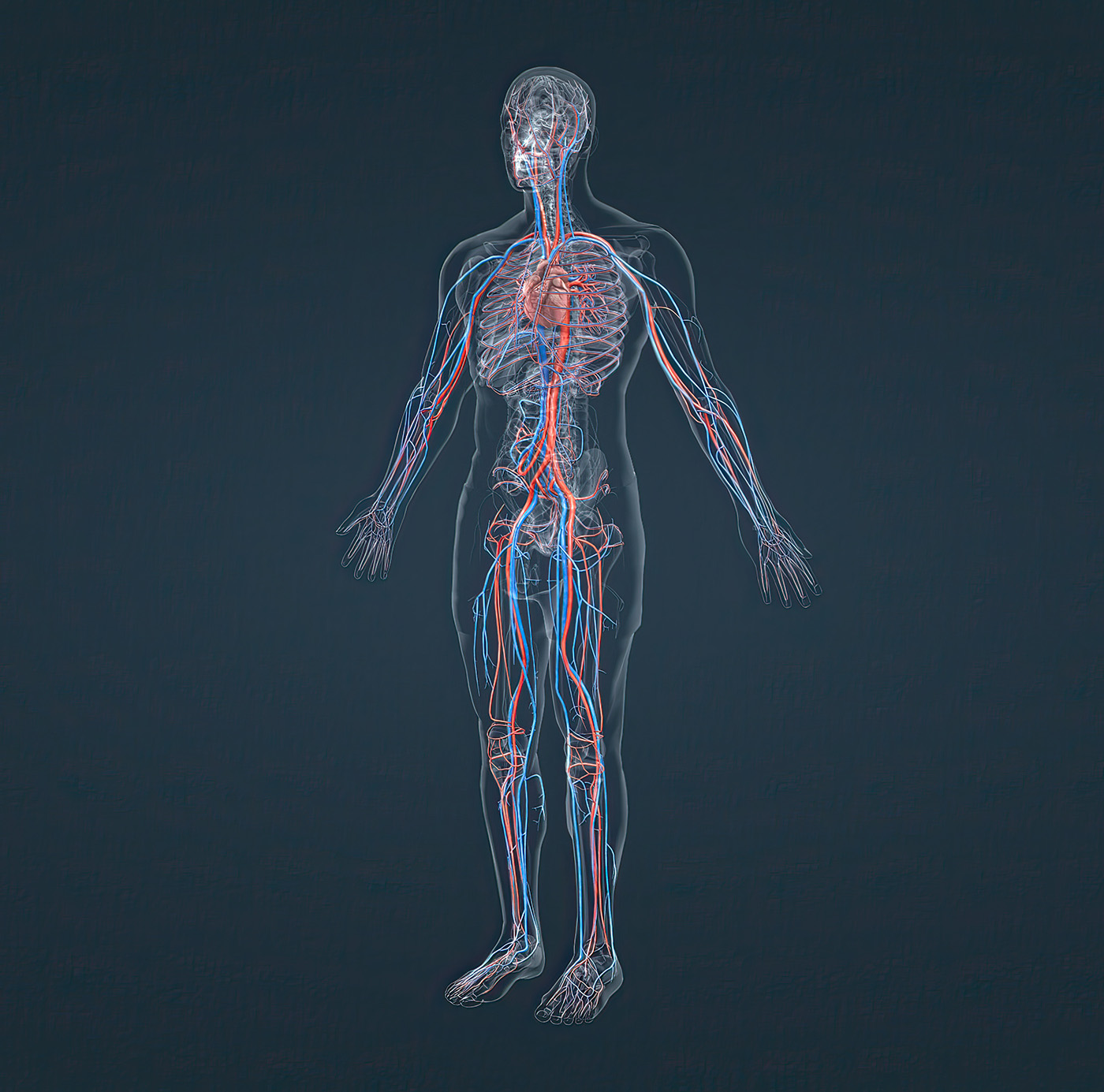
The vagus nerve, often referred to as the “wandering nerve,” is a crucial component of the autonomic nervous system, playing a significant role in regulating various bodily functions. Beyond its primary functions in digestion, heart rate, and respiratory control, the vagus nerve can also influence sensations of pain throughout the body. Understanding the connection between the vagus nerve and body or muscle pain sheds light on potential mechanisms for managing and alleviating discomfort.
The Vagus Nerve and Pain Perception:
The vagus nerve is the longest cranial nerve in the body, extending from the brainstem down to the abdomen. Along its pathway, the vagus nerve sends signals to and from various organs and tissues, modulating sensations of pain and inflammation.
Here’s how the vagus nerve can impact body and muscle pain:
- Inflammatory Response: The vagus nerve plays a crucial role in regulating the body’s inflammatory response. When inflammation occurs in response to injury or illness, the vagus nerve can transmit signals to dampen inflammation and reduce pain perception.
- Central Sensitization: Dysfunction of the vagus nerve can contribute to central sensitization, a phenomenon in which the central nervous system becomes hypersensitive to pain signals. This heightened sensitivity can lead to increased perception of pain throughout the body, including muscles and other tissues.
- Stress Response: The vagus nerve is intricately connected to the body’s stress response system. Chronic stress can dysregulate vagal tone, leading to increased muscle tension and heightened pain sensitivity.
- Gut-Brain Axis: The vagus nerve forms a crucial link between the gut and the brain, known as the gut-brain axis. Dysregulation of this axis can lead to gastrointestinal symptoms, such as bloating and discomfort, which may exacerbate muscle pain and discomfort.
Bowen Therapy and Vagus Nerve Activation:
Bowen Therapy, a gentle and non-invasive form of bodywork, holds the potential to activate the vagus nerve and harness its healing effects. Through a series of precise movements over specific points on the body, Bowen Therapy stimulates the nervous system and promotes relaxation, leading to a cascade of beneficial effects throughout the body.
Here’s how Bowen Therapy can impact the vagus nerve and promote overall health:
- Inducing Relaxation: Bowen Therapy induces a deep state of relaxation, activating the parasympathetic nervous system—the branch of the autonomic nervous system associated with rest and relaxation. This activation can lead to increased vagal tone and improved vagus nerve function.
- Stress Reduction: By promoting relaxation and reducing stress levels, Bowen Therapy can help rebalance the autonomic nervous system and enhance vagal tone. This, in turn, can lead to improvements in mood, sleep quality, and overall well-being.
- Pain Relief: Bowen Therapy’s gentle movements can help release tension in muscles and tissues, providing relief from pain and discomfort. By modulating pain perception and promoting relaxation, Bowen Therapy may indirectly influence vagus nerve activity and alleviate pain symptoms.
- Enhancing Immune Function: The vagus nerve’s anti-inflammatory effects can help regulate immune function and promote healing. Bowen Therapy’s ability to reduce stress and inflammation may contribute to improved immune function and overall health.
The vagus nerve’s far-reaching influence on health and well-being underscores its importance as a therapeutic target for promoting healing and alleviating symptoms. Bowen Therapy, with its gentle approach and focus on stimulating the body’s innate healing mechanisms, offers a promising avenue for vagus nerve activation and holistic wellness. By embracing the synergy between Bowen Therapy and the vagus nerve, individuals can embark on a journey towards greater health, vitality, and resilience


